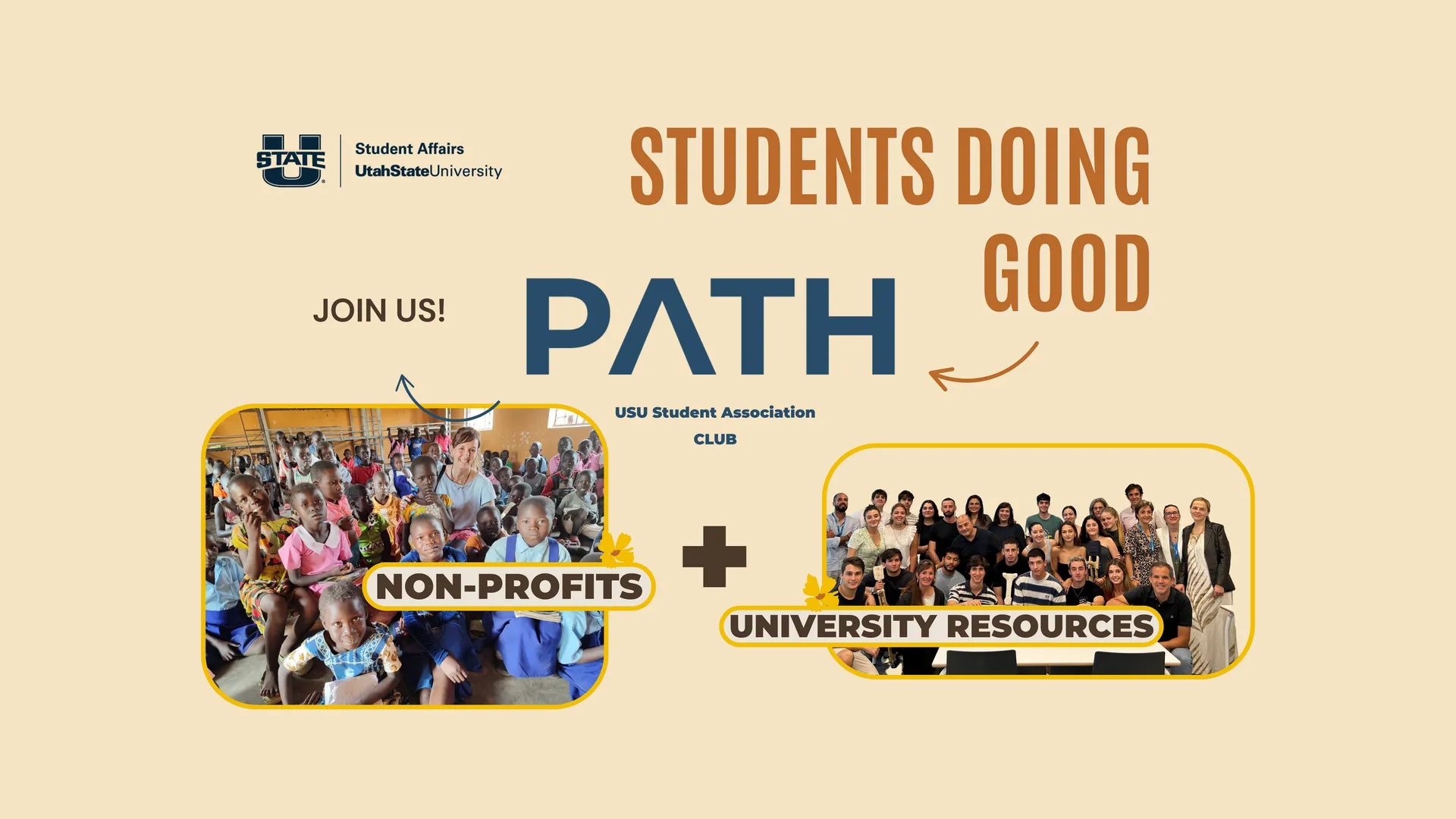
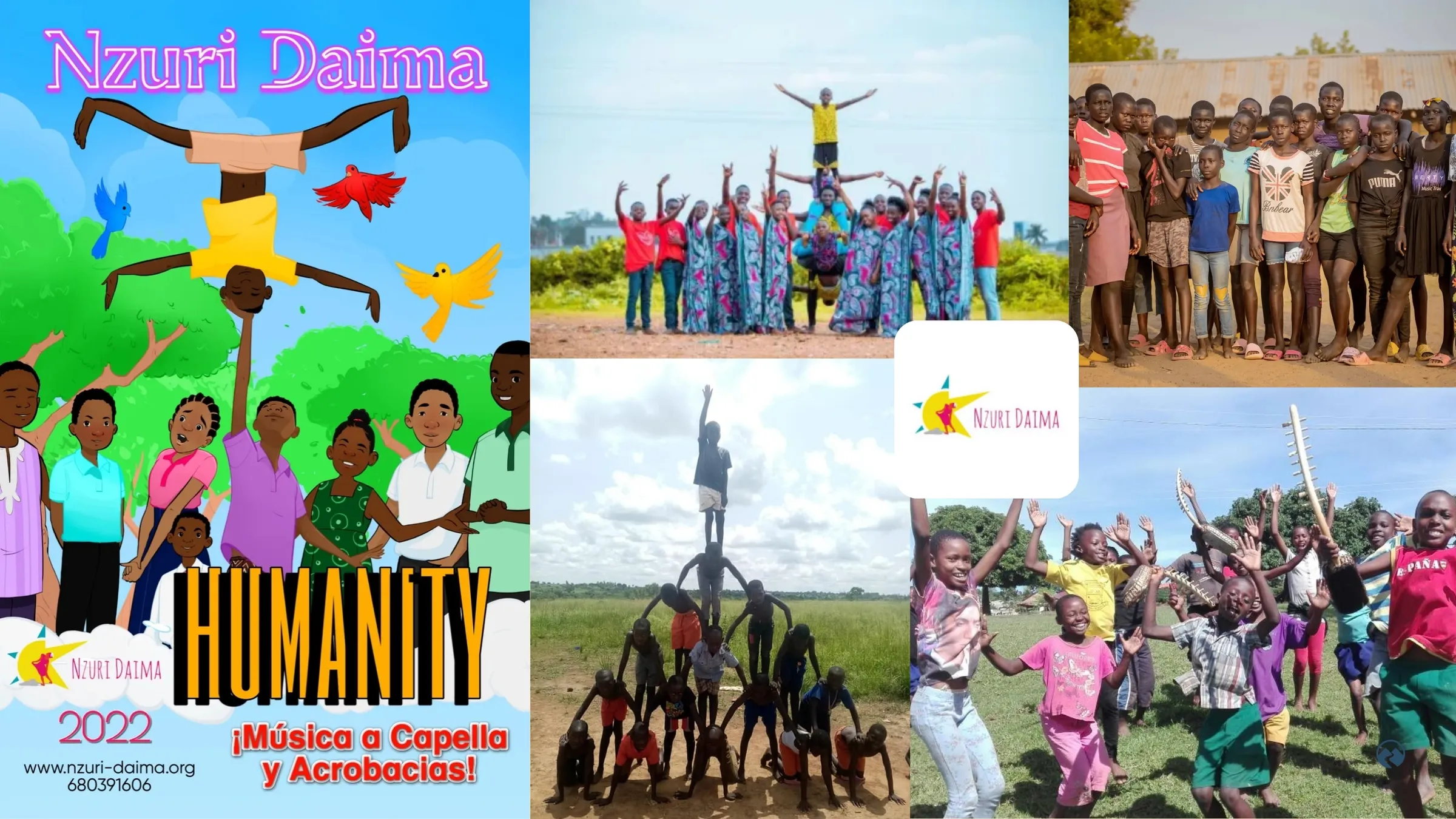
In South Sudanese refugee camps, families face two compounding challenges: limited access to food, and almost no horizontal land to grow it on. Through PATH, a 22+ member club I founded at Utah State University to bridge university resources with humanitarian non-profits, we partnered with the Nzuri Daima Foundation, USU Engineering Technology, and Microsoft for Nonprofits to design two deployable vertical garden solutions: one replicable from a single shipping pallet by anyone in the camp, and one optimized for craftsmen in Nairobi to mass-produce.
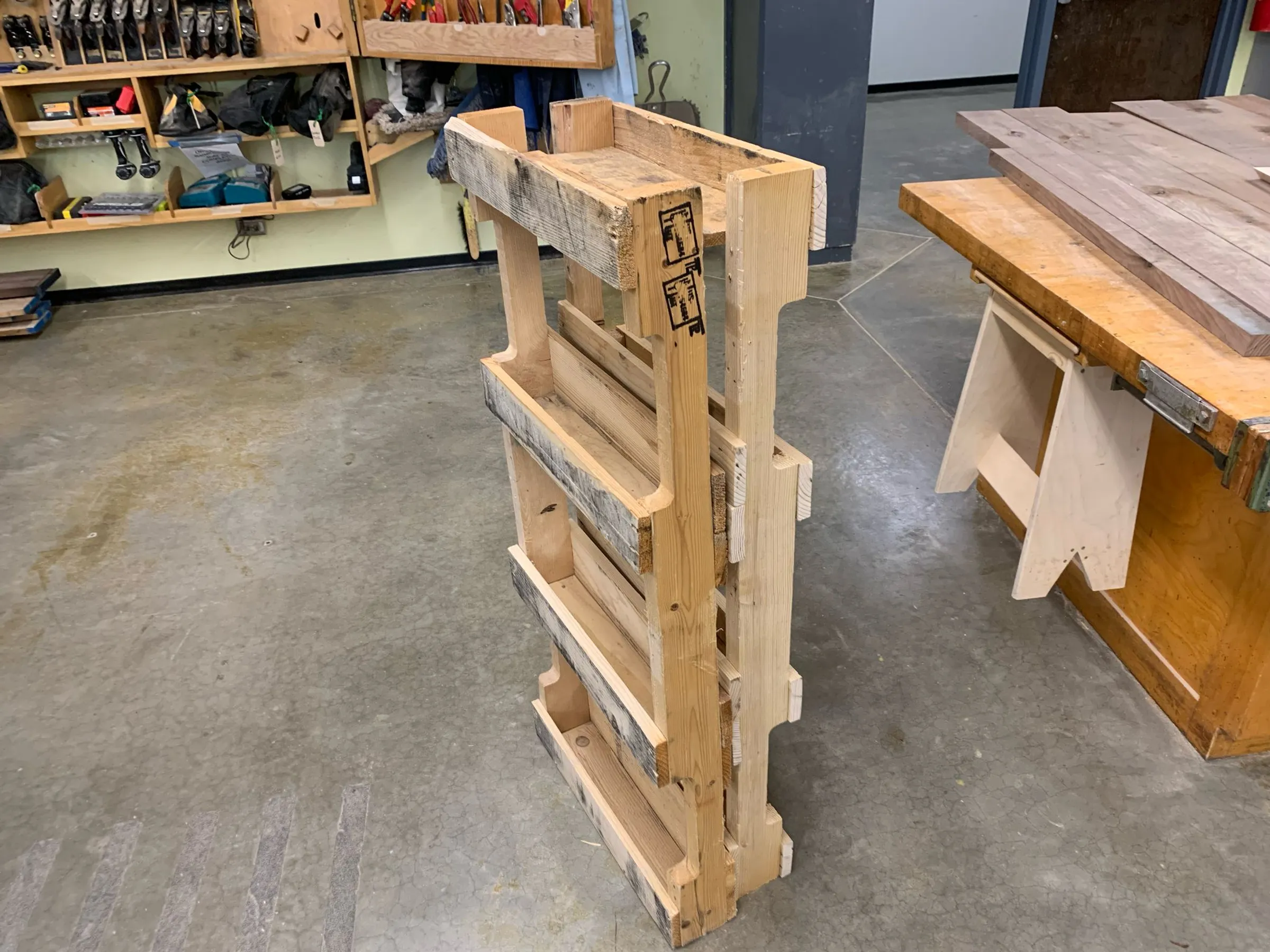
Vertical space is the only dimension available when horizontal land is scarce. The design challenge wasn’t just to build a garden: it was to build one that anyone in a South Sudanese refugee camp could replicate from a single shipping pallet, with no tools beyond what’s already on the ground.
Context
PATH takes on real humanitarian non-profit projects where students apply skills from their own degree and produce something the foundation can actually use. This project partnered PATH with the Nzuri Daima Foundation, USU Engineering Technology, and Microsoft for Nonprofits to design deployable vertical garden systems for South Sudanese refugee camps. PATH grew from zero to 22+ active members in one semester.
Approach
Two designs, two contexts
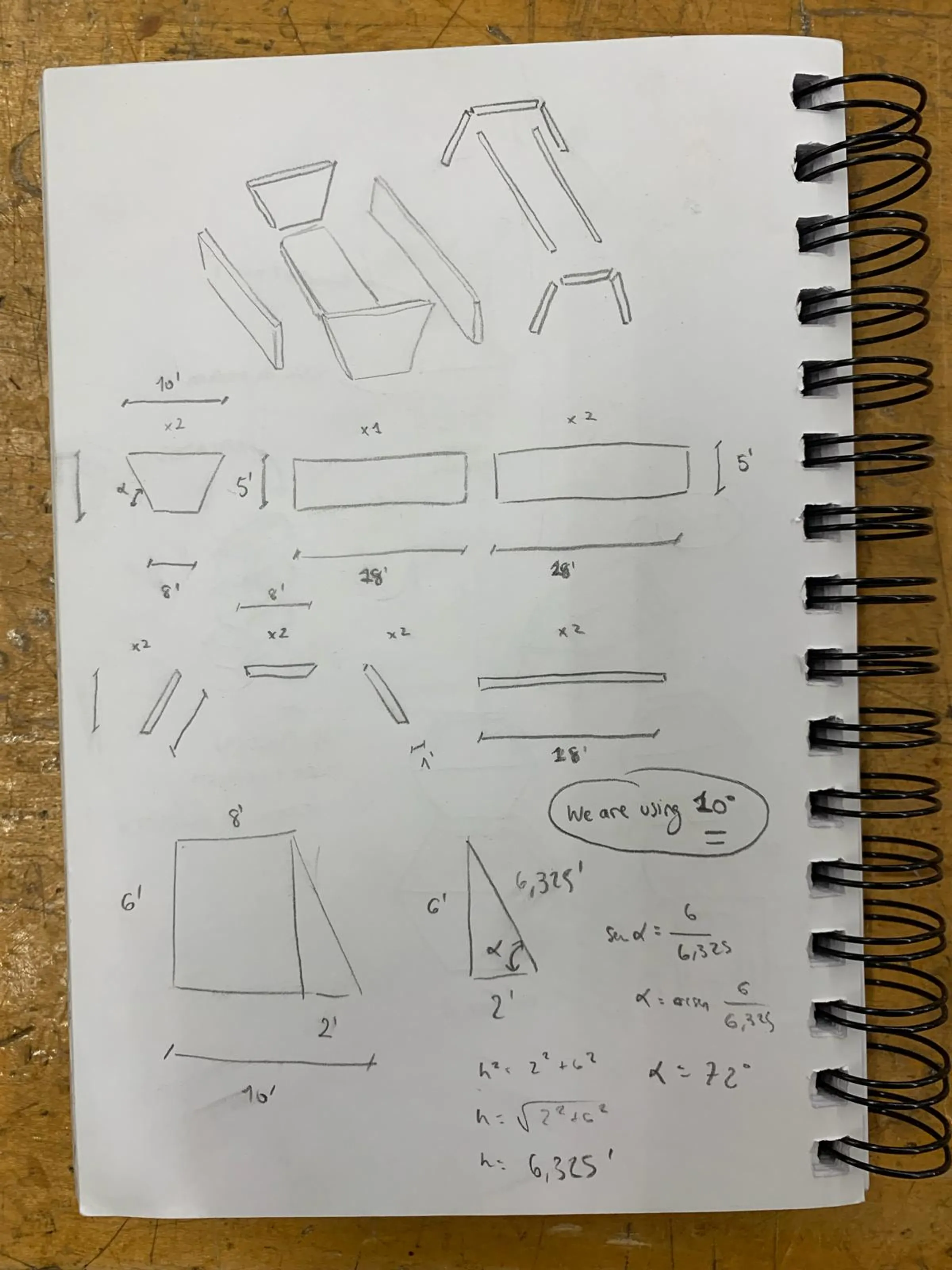
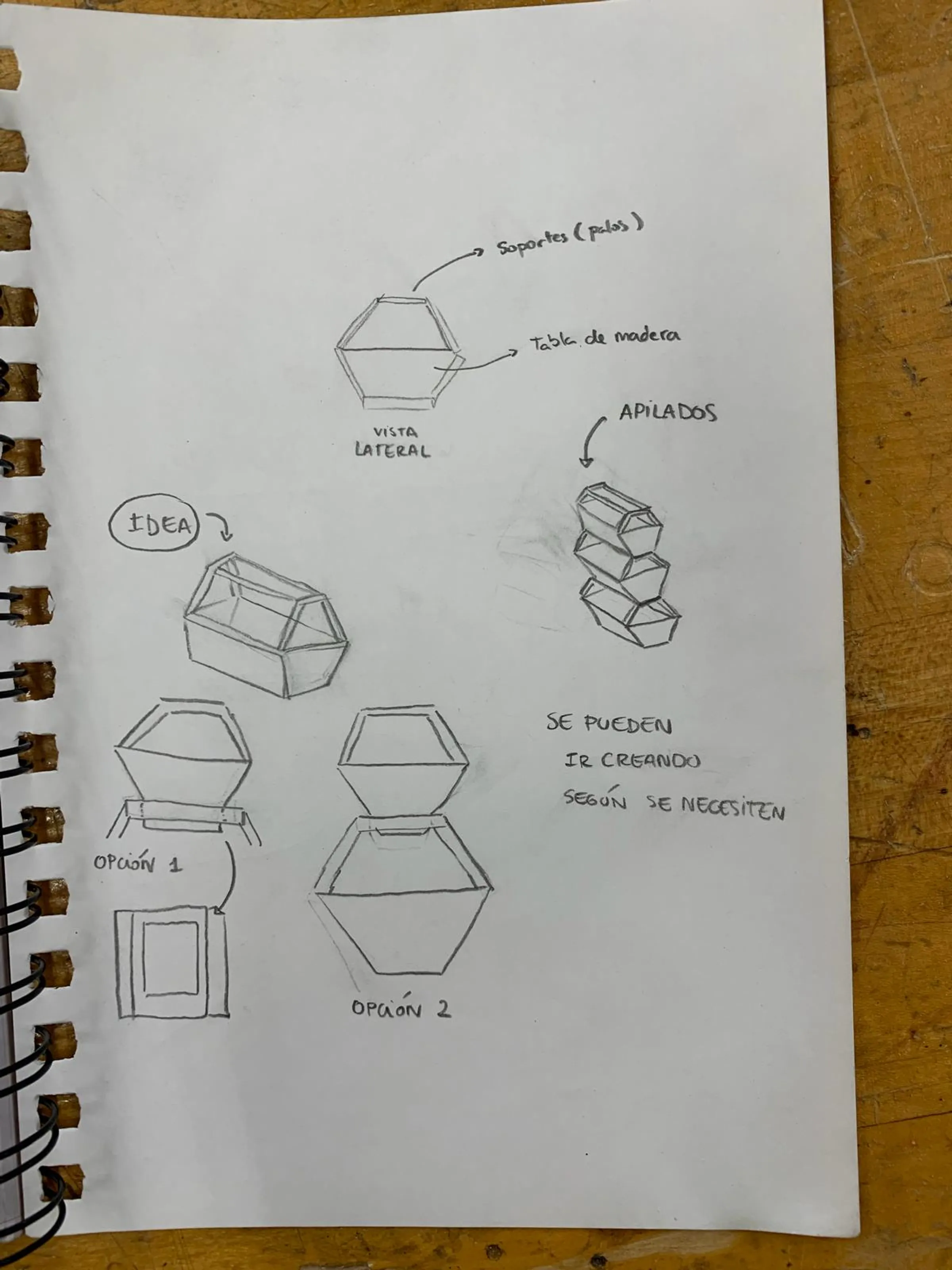
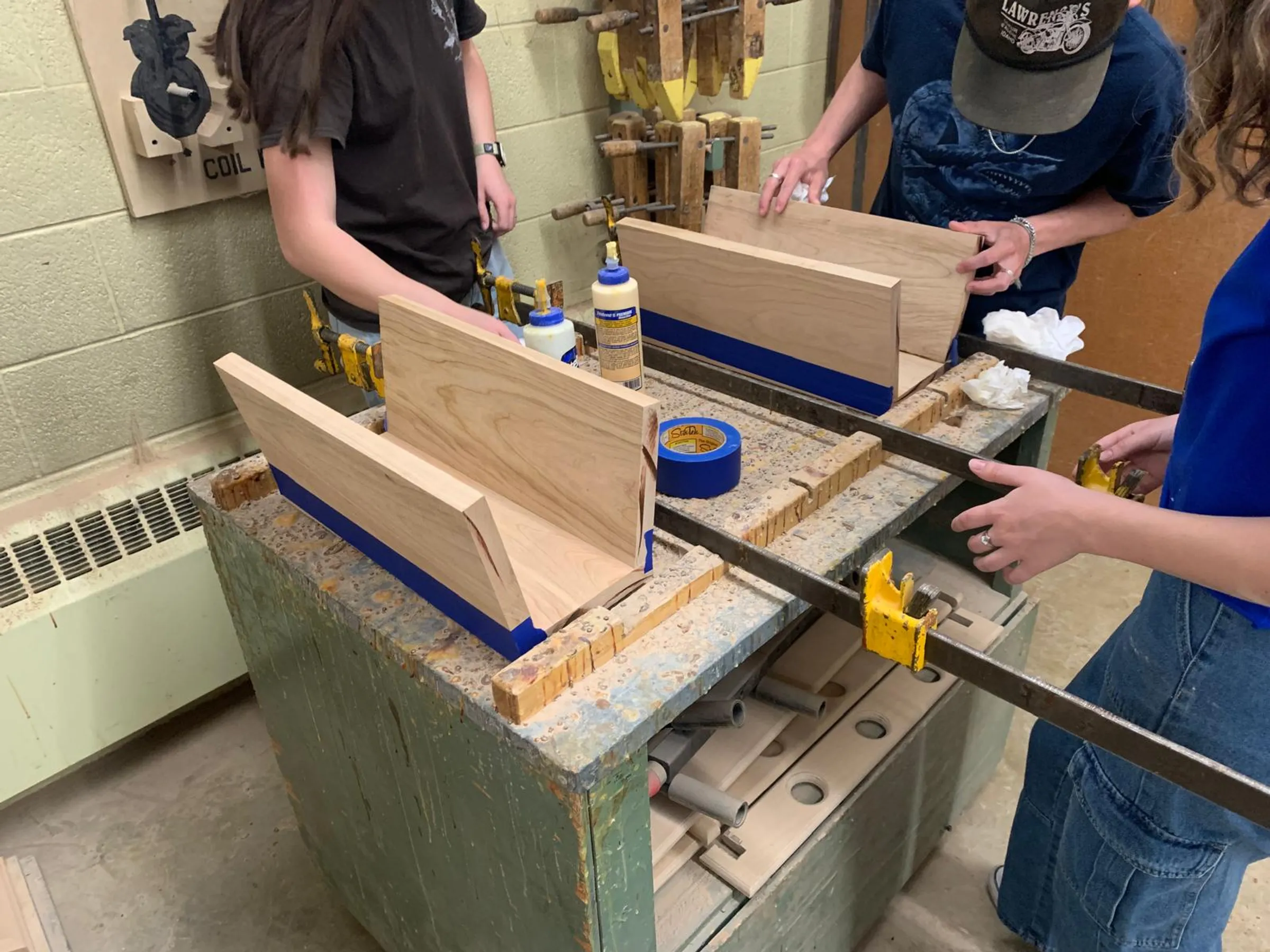
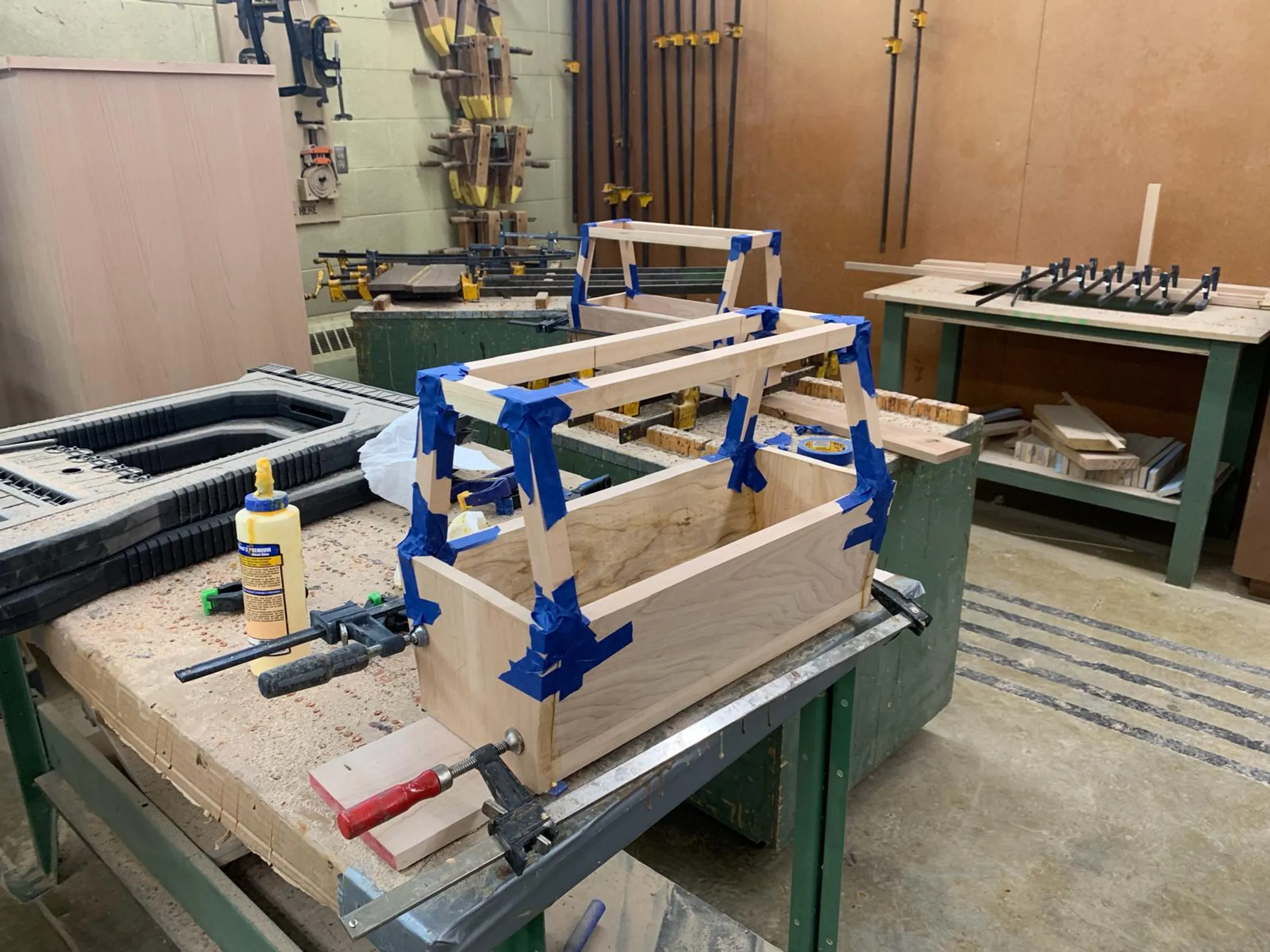
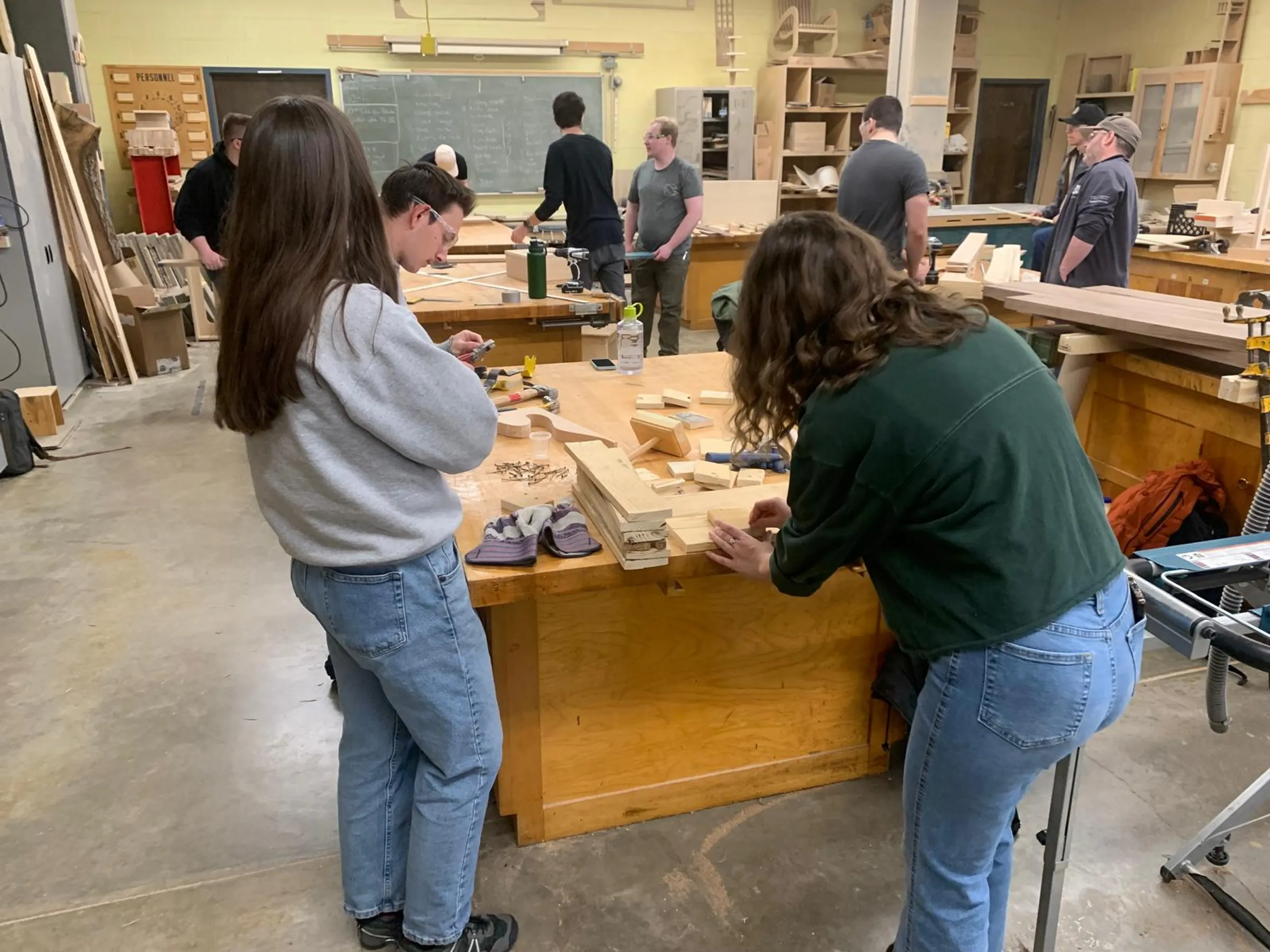
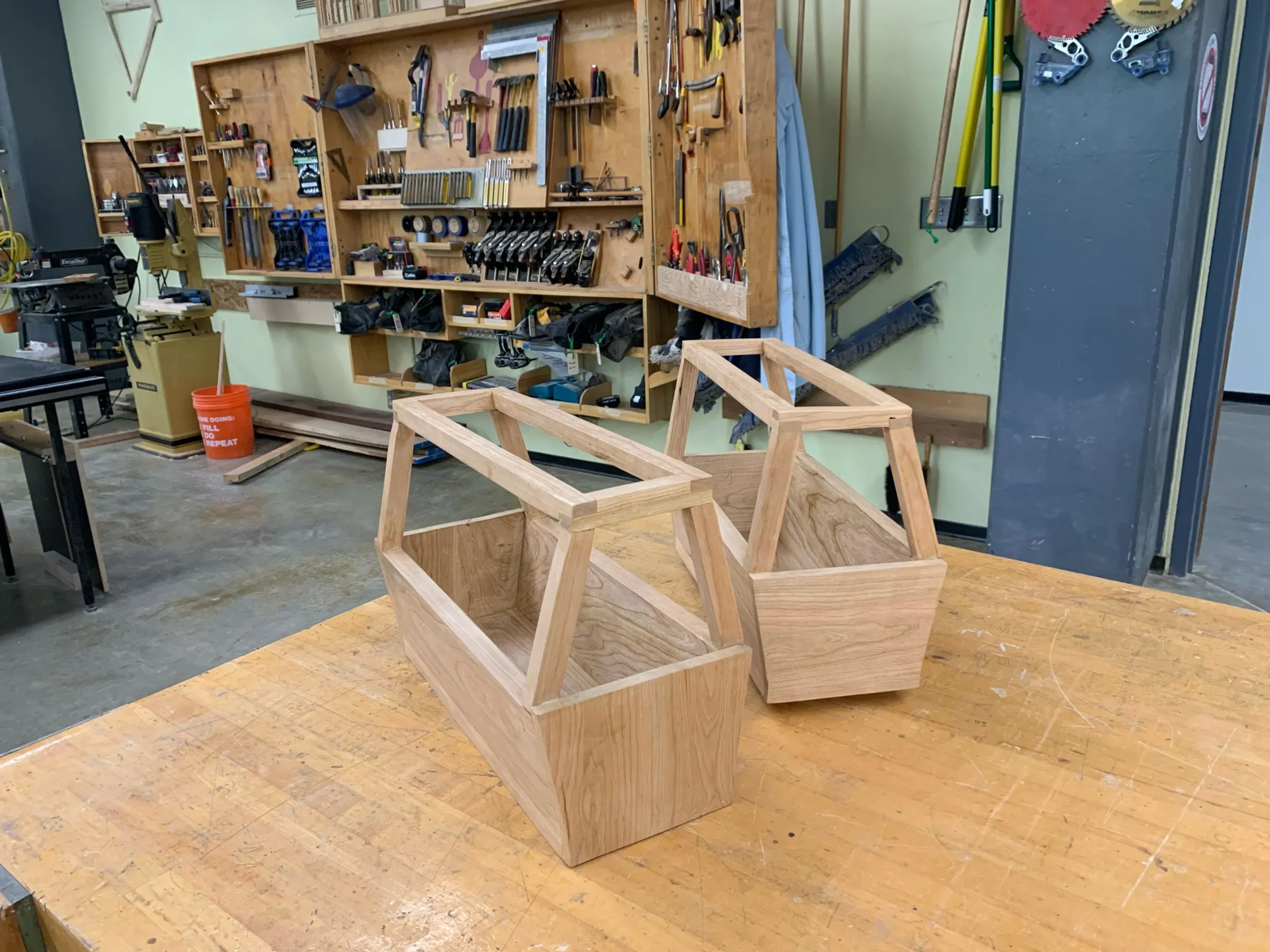
The pallet design is one-to-one replicable from a single shipping pallet with basic hand tools. No welding, no power tools, no materials that aren’t already in the camp. The modular design is configured for craftsmen in Nairobi to produce at scale using locally-sourced components and simple jigs, designed for repeatability, not one-off fabrication.
My role
I founded PATH and led the project end-to-end, designing with the team, building most of what we shipped, and making the working connection between Utah State University, the club I founded, the USU Manufacturing class that became our working space, and the Nzuri Daima Foundation. I personally opened the collaboration with Microsoft for Nonprofits through Rick Velasquez. What convinced 22+ students to join wasn’t the project itself. It was the purpose, plus an operating system that made every member feel useful and like they fit.
Impact
PATH produced two complete vertical garden designs ready for deployment. The pallet design is one-to-one replicable from a single shipping pallet with basic tools. The modular design is configured for Nairobi craftsmen to produce at scale with locally-sourced components.
The physical prototypes are currently stored at the USU Engineering Technology lab, and the complete technical documentation has been delivered to Nzuri Daima so the foundation can replicate the designs on the ground in South Sudan and Kenya. The project served as a proof point for PATH’s broader thesis: that 1% of university students worldwide applying their class projects to real humanitarian problems would change the world.

— Video
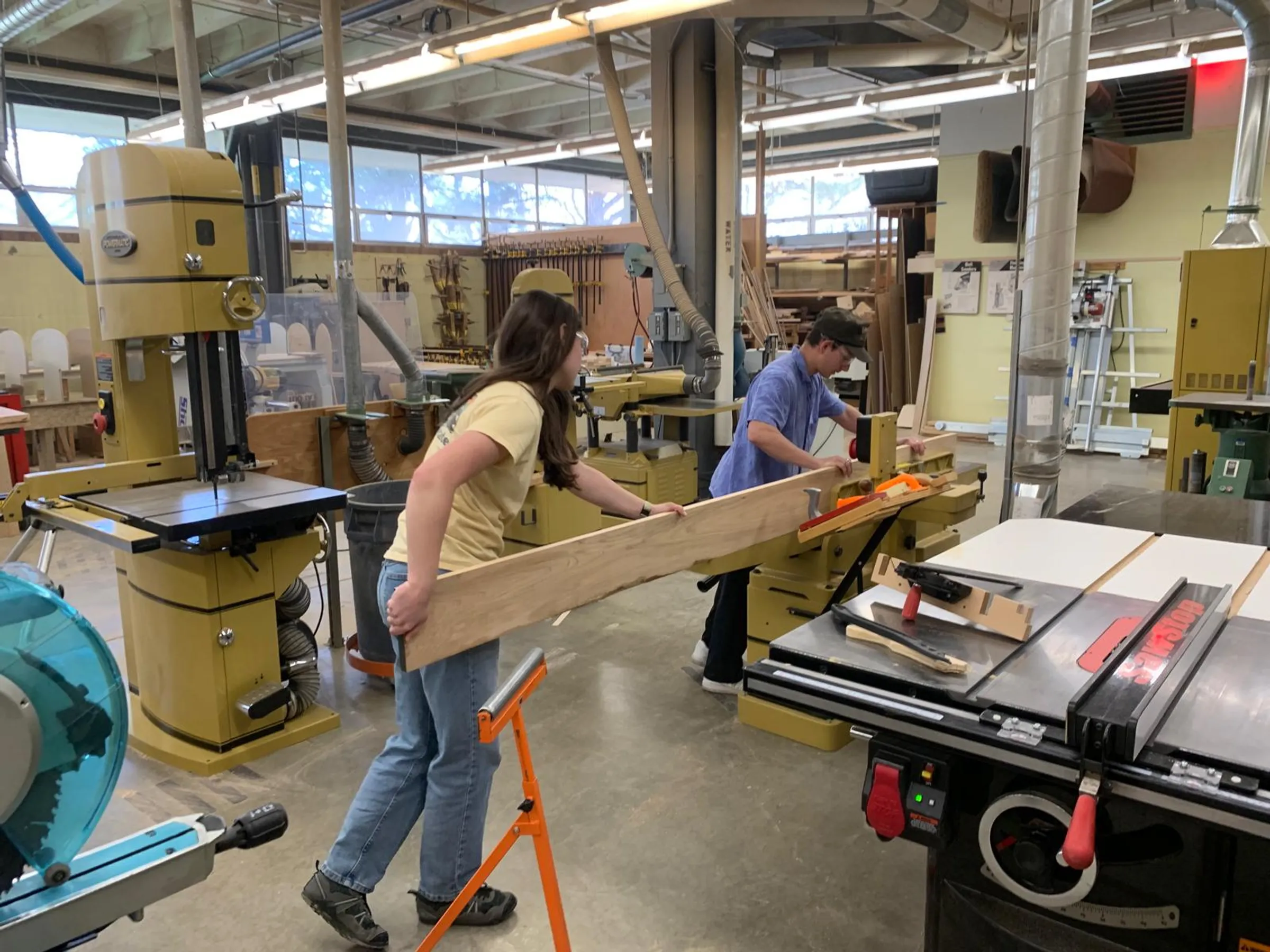
Assembly process: modular vertical garden
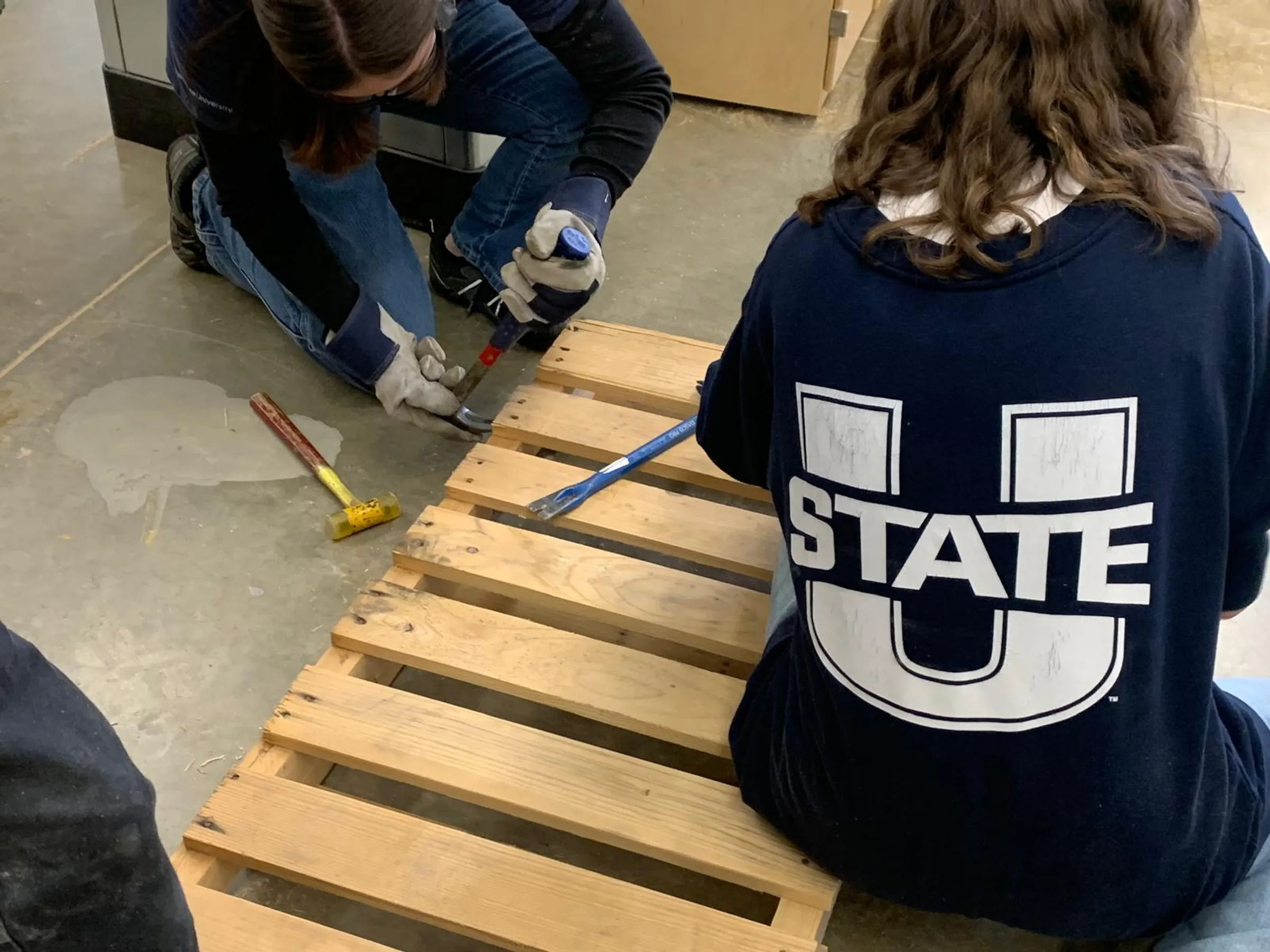
One hand disassembly: Nairobi craftsmen design