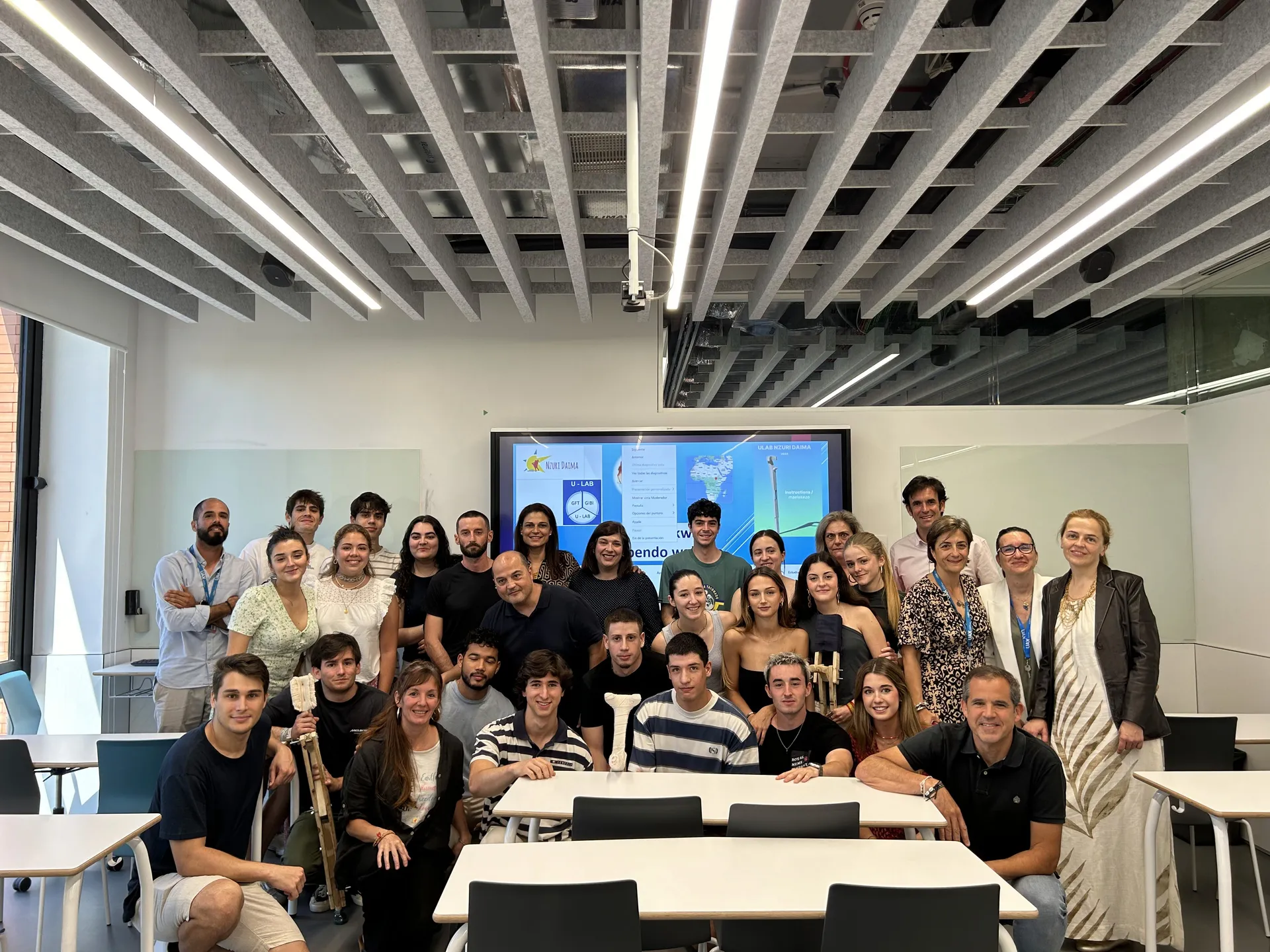
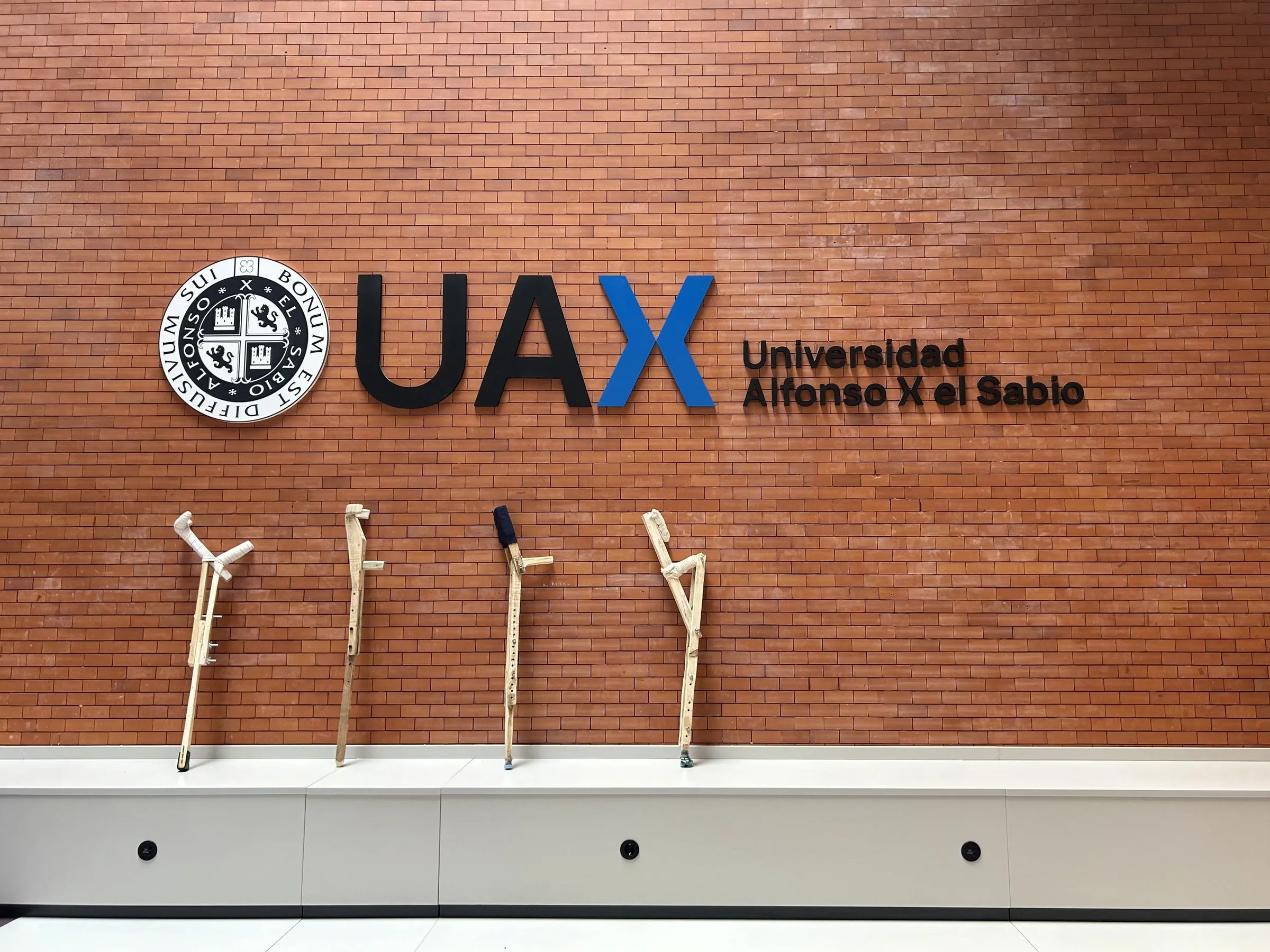
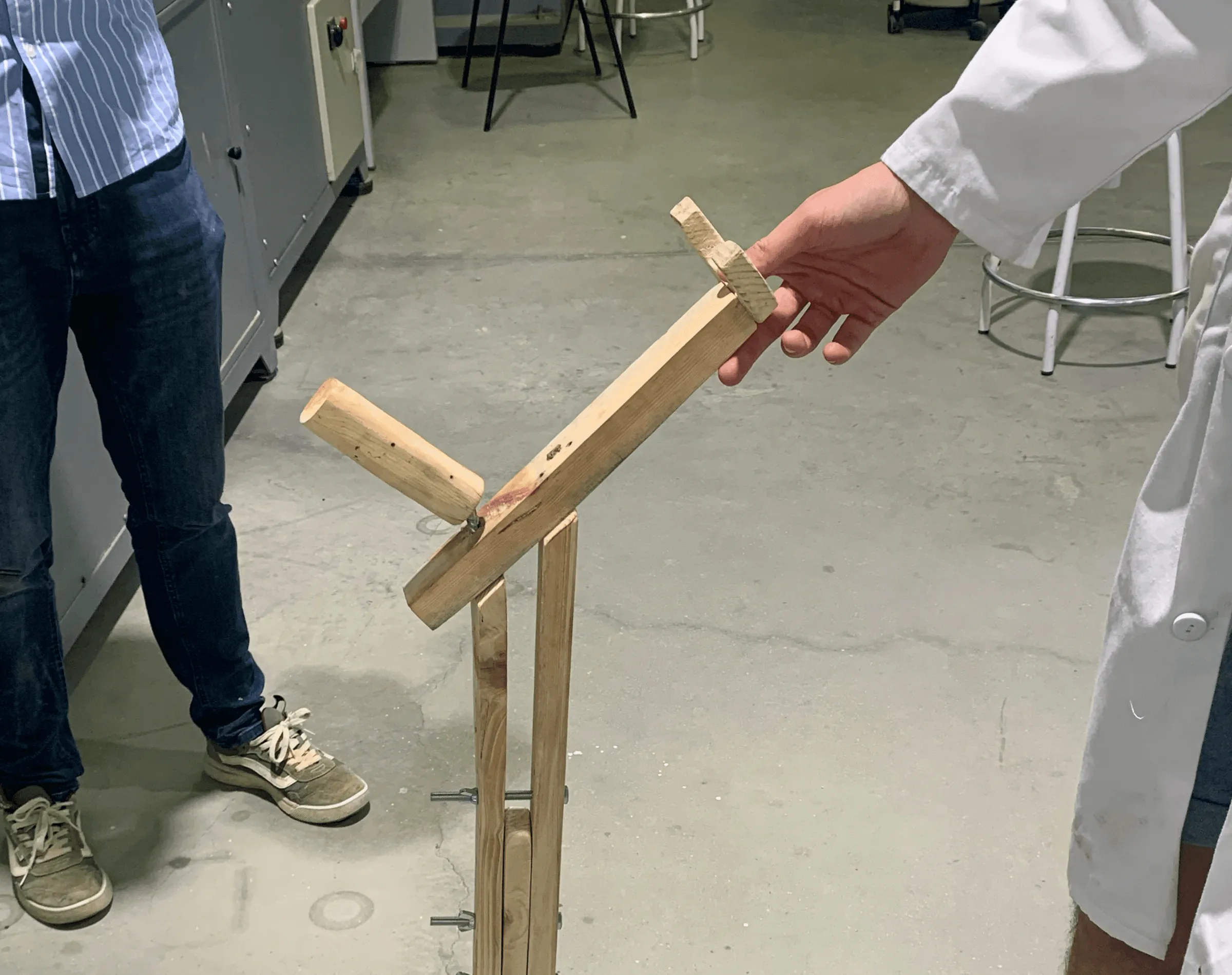
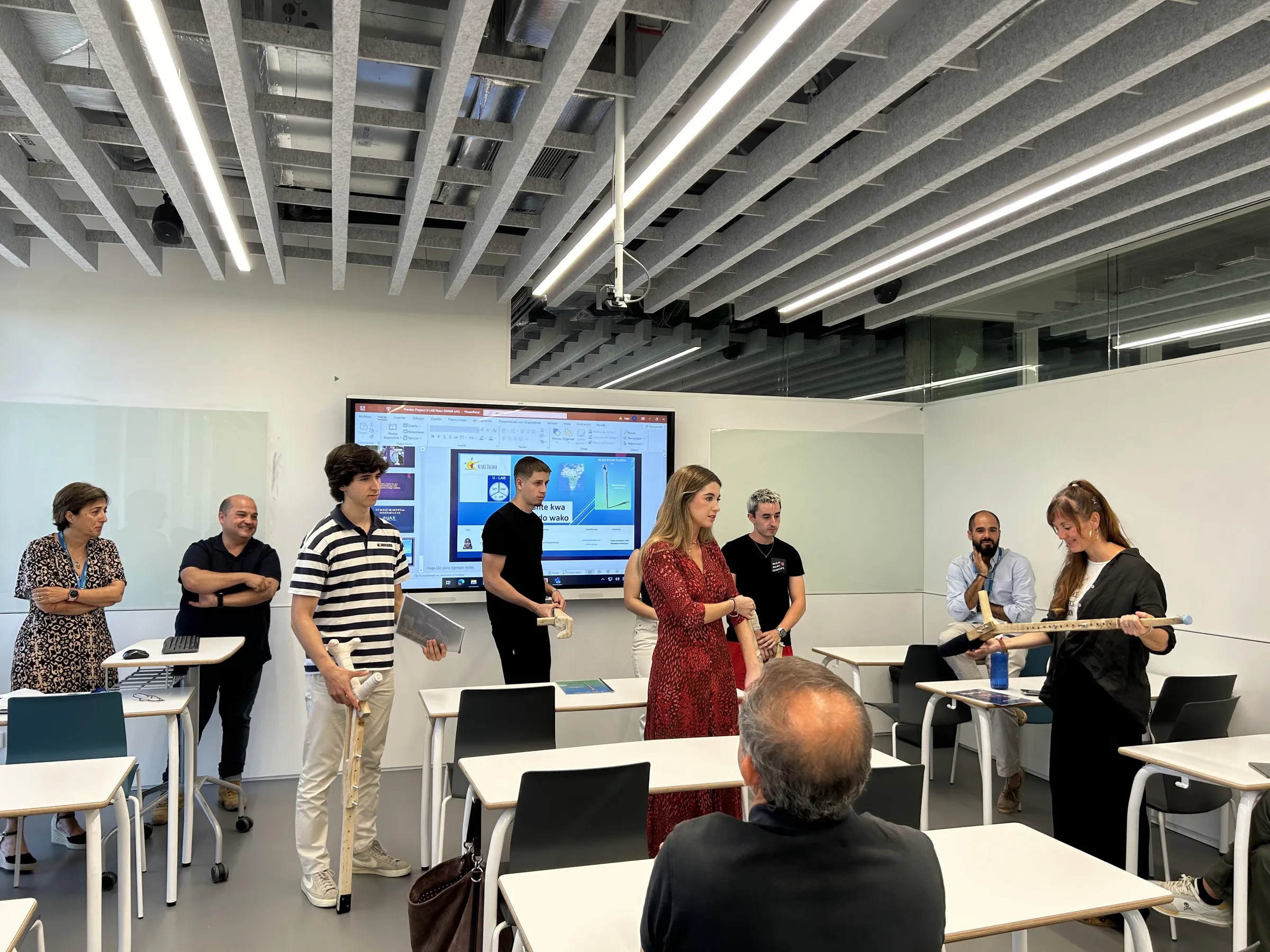
A multidisciplinary project where biological engineering, exercise science and industrial design students worked together for a great cause. We designed and developed crutches made from locally available materials, and an instruction manual so a village in South Sudan could replicate them on their own. From structural integrity testing to the final prototypes and the manual, every decision was made with low-resource manufacturing in mind.
Design that serves people who have no access to specialized stores or supply chains demands a completely different set of constraints. Every joint, material choice and assembly step was evaluated against one question: can someone without tools or prior training replicate this?
Context
The team brought together biological engineering, exercise science, and industrial design: three disciplines that rarely share a workspace. That friction produced better decisions. Ergonomics informed the geometry. Biology informed the load paths. Engineering made it manufacturable.
Approach
All materials are locally available in sub-Saharan Africa: wood, basic hardware, and locally-sourced padding. No welding, no CNC. The design was validated for structural integrity under realistic loading conditions before the manual was finalized.
The manual
A replication guide with illustrated step-by-step instructions, material sourcing notes, and quality checks. Designed to be printed, laminated, and used by people who have never built assistive devices before.
My role
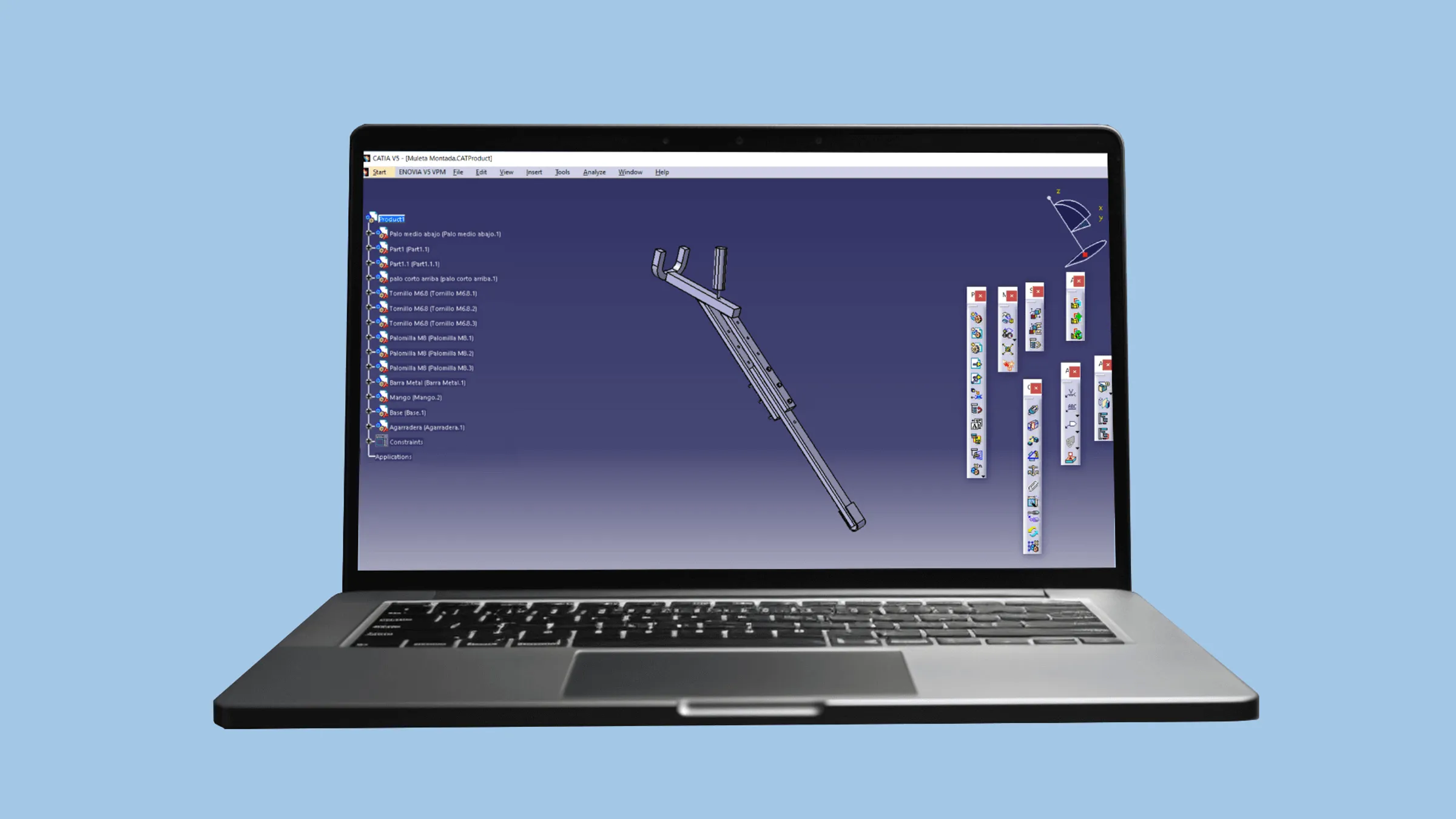
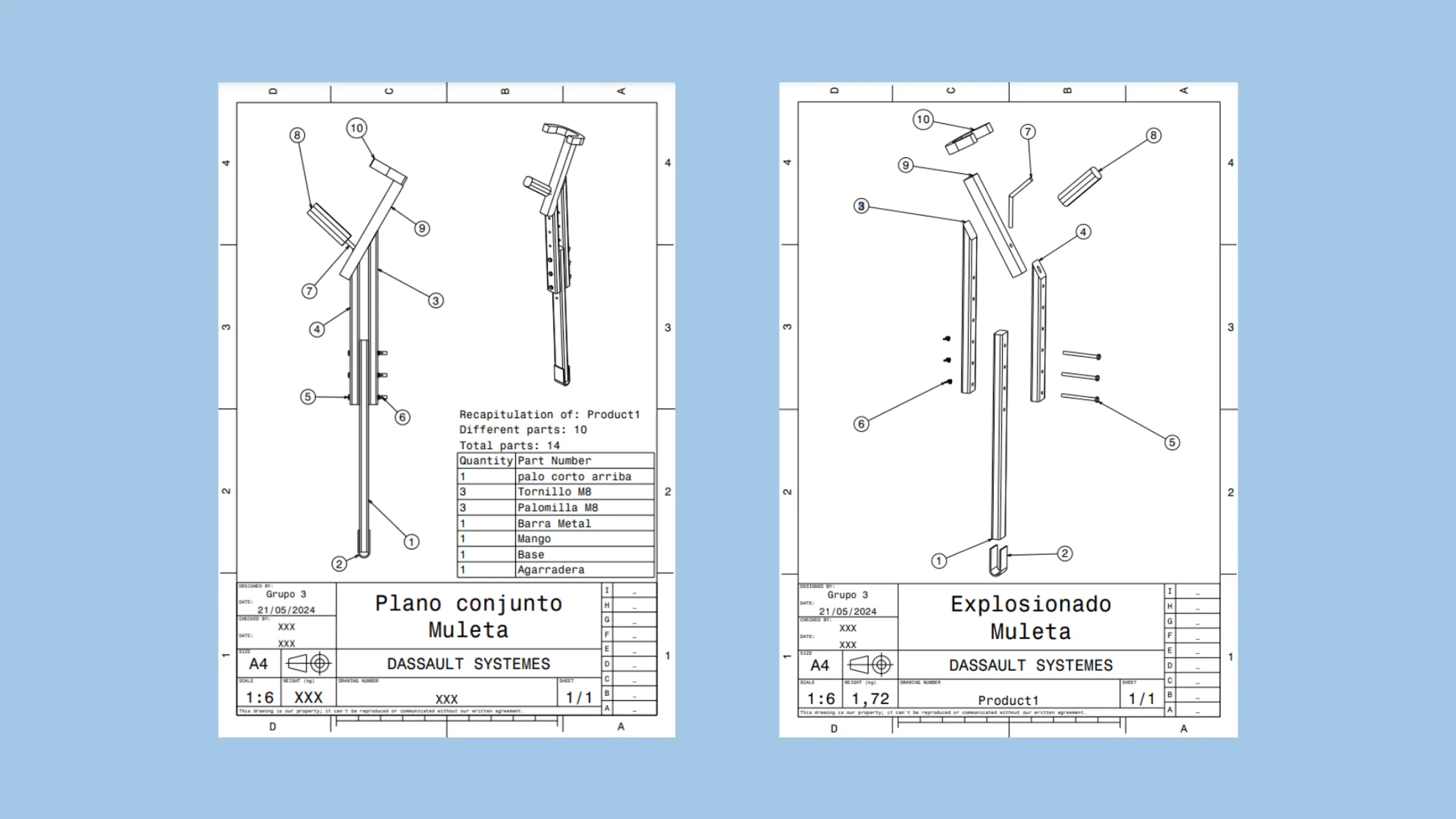
My role within the multidisciplinary class was hands-on across the whole pipeline: receiving the initial brief from the exercise science students, and then leading mechanical design, CAD, prototypes, technical drawings, illustration, and manufacturing testing with my team. The technology students closed the loop on the final review.
Impact
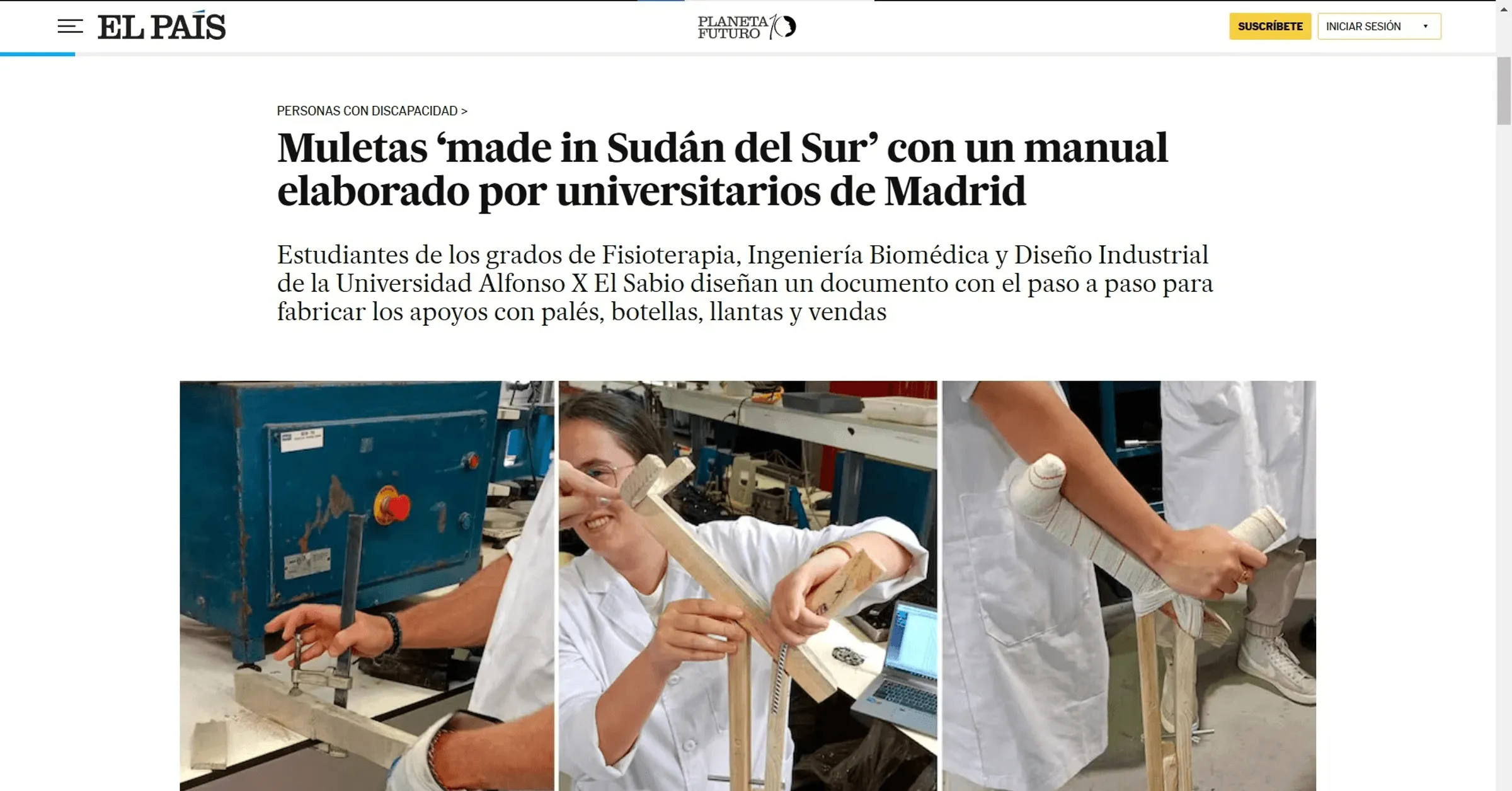
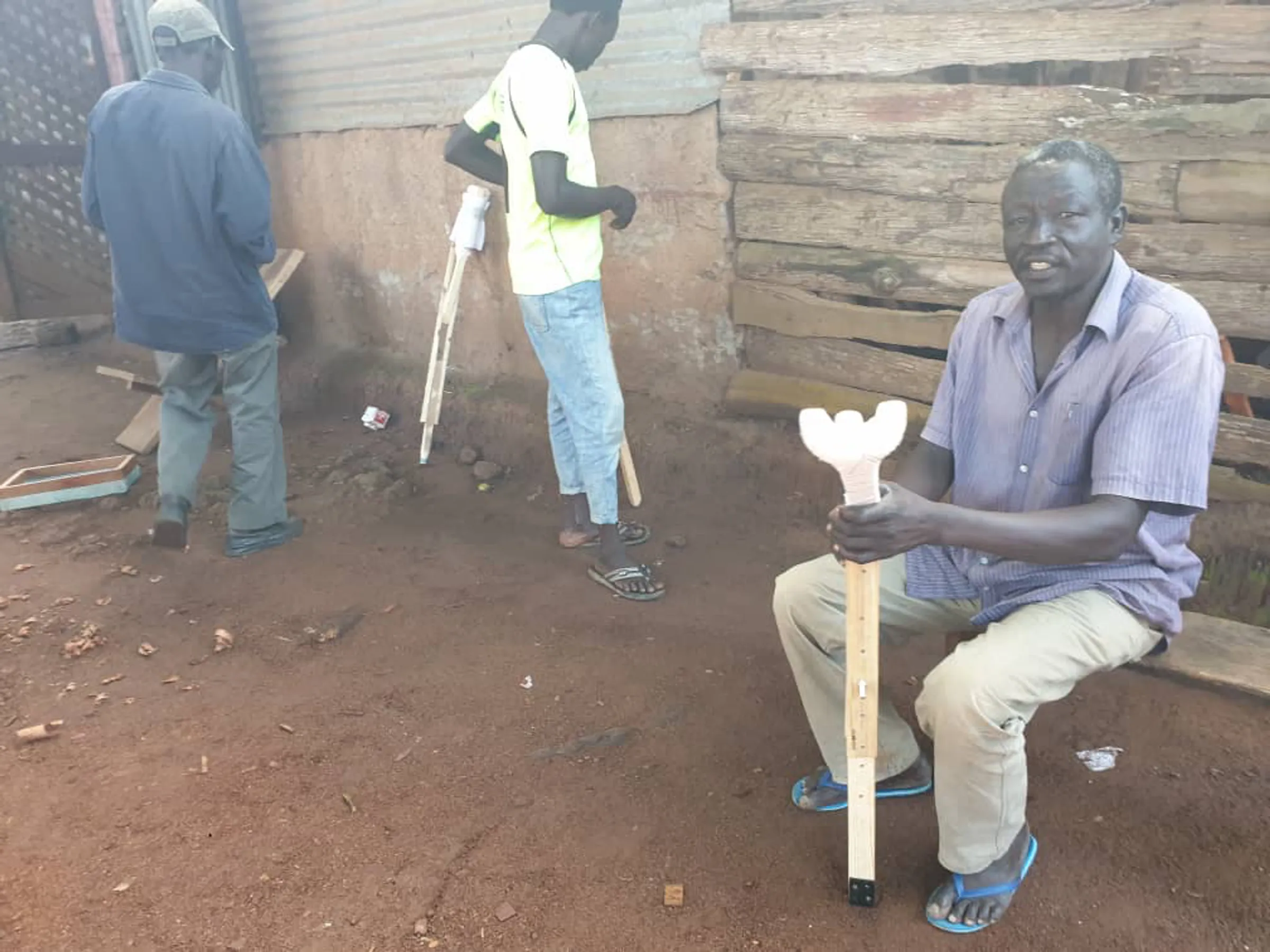
More than 100 crutches have now been manufactured in South Sudan from the team’s designs, built by local communities, from locally available materials, without imported parts. The project was led by our professor, with the foundation Nzuri Daima providing the on-the-ground connection that made the work real. Featured in El País, Spain’s largest national newspaper, in February 2025.
The best part of this project was the people and the purpose. When the purpose is this big, you lose track of the time spent on it.